
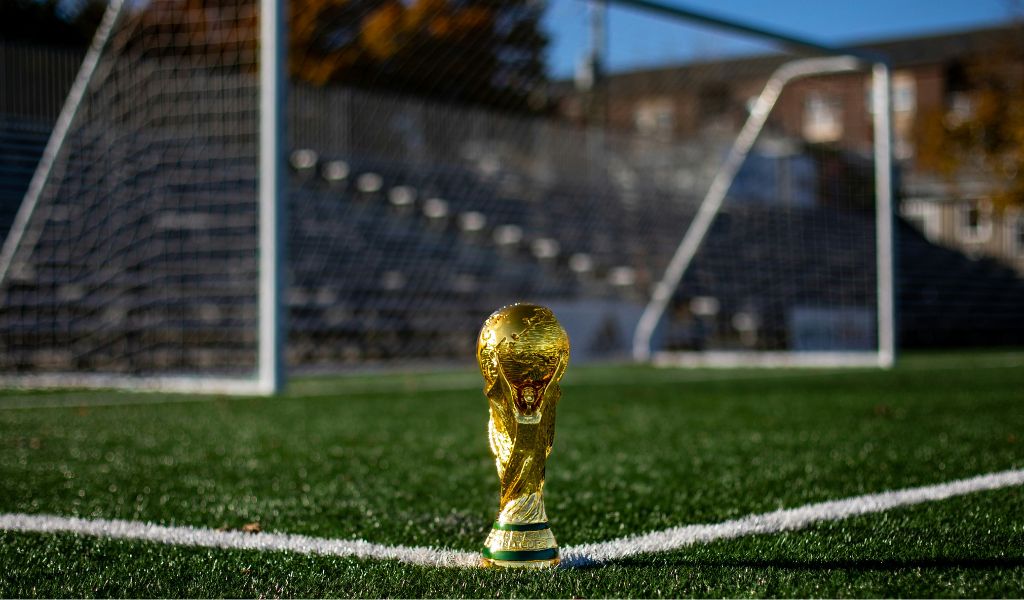
New analysis indicates that the UK sports and recreation sector is set to be one of the key beneficiaries of the 2026 FIFA World Cup, with gyms, sports facilities and recreational venues expected to see a significant uplift in activity during the summer months.
Analysis from money.co.uk business banking experts forecasts that the sector will generate an additional £3.1 billion in revenue over the wider May-July 2026 window – an 18.8% increase compared with a typical non-World Cup year.
The figures are based on Office for National Statistics (ONS) turnover data and historical spending patterns from previous World Cup tournaments, modelling how major sporting events influence participation, facility usage and consumer engagement with sport and fitness.
The analysis suggests that major international tournaments typically lead to a short-term increase in grassroots sport and fitness participation.
Gyms and fitness operators are expected to benefit from increased sign-ups and higher attendance levels, particularly during evening hours aligned with match schedules and World Cup themed promotions.
Sports facilities, including five-a-side football pitches, leisure centres and recreational venues, are also expected to see higher booking volumes during the tournament period.
Across the wider UK economy, the analysis highlights a clear shift in spending patterns during major sporting tournaments, with consumer behaviour moving away from retail and goods-based purchases towards experiences, travel and leisure.
Alongside the £3.1 billion uplift forecast for sports and recreation, food and drink is expected to see the largest absolute gain at £4.2 billion, while accommodation and transport are also forecast to benefit significantly with respective uplifts of £3.5 billion and £1.8 billion.
Joe Phelan, business bank accounts expert at money.co.uk, said: “The World Cup creates a fantastic opportunity for sports and recreation businesses to convert heightened public interest into long-term engagement. For small and independent operators, this can mean increased sign-ups, higher facility usage and stronger demand for group-based activities during the tournament period.
“Gyms, leisure centres and sports venues are particularly well placed to benefit by offering flexible memberships, short-term promotions and event-led activities that tap into increased motivation to get active while the tournament is underway.”
Photo by My Profit Tutor on Unsplash