
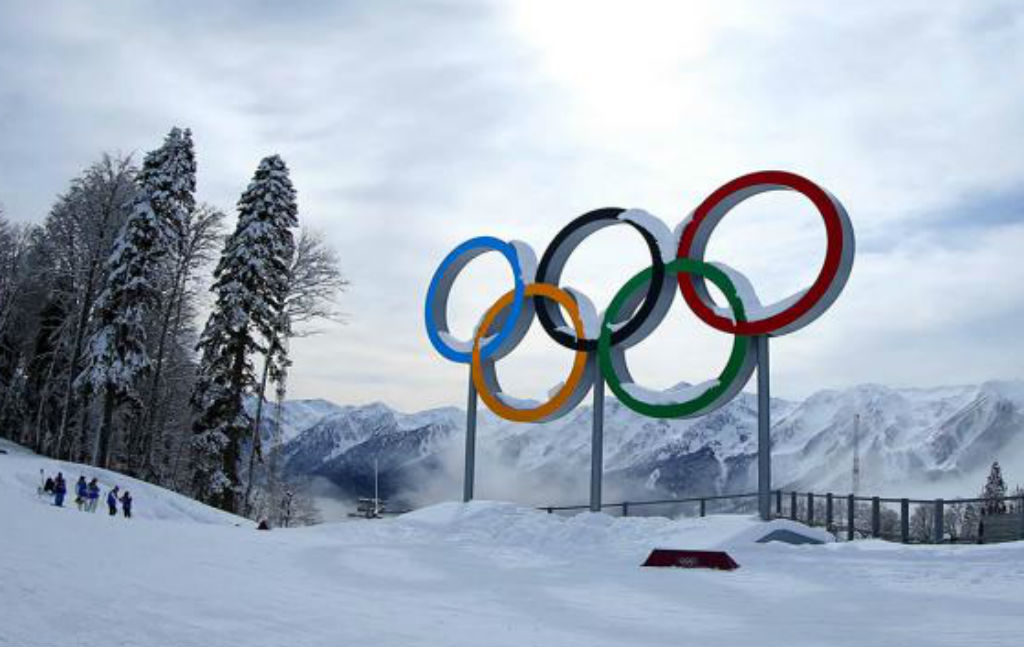
The Milano Cortina 2026 Winter Olympics are set to become one of the most powerful tourism and economic catalysts in Italy’s modern history, with new analysis revealing that the Games will generate €5.3 billion in value for the Italian economy.
The findings, published by Banca Ifis, highlight a three-tier economic surge driven by tourism, visitor spending and major infrastructure legacy. The bank forecasts €1.1bn in direct expenditure during the Games period, including hospitality, food and beverage, retail, transport and on-site visitor services. A further €1.2bn is expected to flow into Italy within 12-18 months after the Closing Ceremony as travellers return or extend their trips, signalling long-tail tourism growth well beyond the competition fortnight.
Most impactful of all is the projected €3bn in long-term value created through upgraded ski facilities, sustainable transport links and year-round tourism infrastructure across Italy’s northern alpine region. This structural investment positions the Dolomites, Lombardy and Veneto not only as hosts of a global sporting spectacle, but as future-proofed winter and summer tourism hubs.
The research was presented at the Italian Embassy in London during Beyond the Game: Sport, Economy and the Road to Milano Cortina 2026, where industry leaders examined how mega-events act as national growth engines. Discussion centred on Italy’s expanding global profile in winter sports tourism and the long-term potential for SMEs in hospitality, leisure and destination services – a sector that stands to benefit directly from the Games’ projected 2.5m spectators, 3.05-night average stay, and worldwide broadcast audience of three billion.
To support this growth, Italy is investing significantly in visitor-facing infrastructure:
- €471m in Lombardy, including €416m to enhance rail connectivity and accessibility to mountain venues, plus €55m to modernise Milan’s metro system – improvements expected to benefit tourists long after the flame is extinguished.
- €41m in Veneto for inclusive mountain-tourism upgrades and restoration works at the Arena di Verona to increase cultural visitor capacity.
With 3,500 athletes from 90 nations set to compete, Milano Cortina 2026 will not only showcase Italy’s winter landscapes but drive global travel demand to its mountains, cultural cities and year-round adventure destinations. Market sentiment is also strong abroad – half of survey respondents in the UK said they plan to follow the Winter Olympics, while brand sponsorship perception and consumer affinity indicate further economic upside for Italy and event partners.
As Italy prepares to welcome the world, Milano Cortina 2026 stands to deliver far more than two weeks of elite sport. It represents a generational opportunity to accelerate tourism, elevate international visibility, and embed long-lasting economic value – ensuring the Olympic legacy extends from the alpine slopes to the national balance sheet.
Image: IOC