
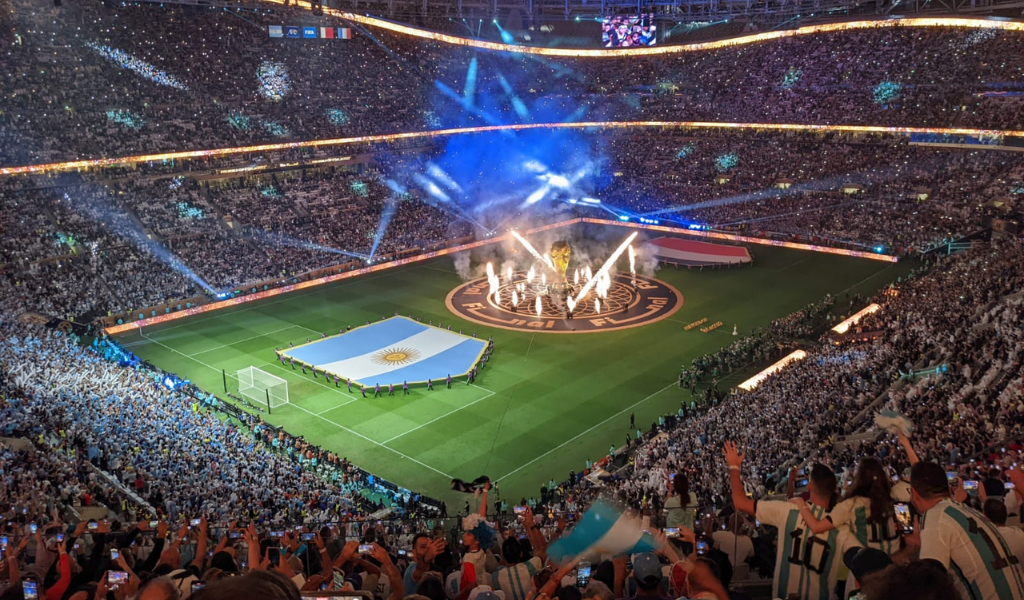
Forecast to surpass $2 trillion by 2030, the sports tourism sector is being propelled by mega-events, high-spending fans, active lifestyle movements and the rise of immersive, experience-led travel. But nowhere is this transformation more visible – or more strategically leveraged – than in the countries that make up the Gulf Cooperation Council (GCC).
According to “Game on for the GCC: Turning sporting ambition into lasting tourism impact”, a new report by PwC Middle East, the region has shifted beyond merely hosting world-class sporting events. It is now developing an integrated sports tourism economy – one that spans infrastructure investment, destination branding, digital innovation and year-round community engagement.
From Saudi Arabia’s record-breaking Esports World Cup, Qatar’s enduring FIFA World Cup legacy, and the UAE’s rapid rise as a global capital for fitness, combat sports and active leisure, the GCC is positioning sport not just as entertainment, but as a transformational pillar of national development.
What makes the Gulf unique is not just the scale of its ambition, but the way sport is being deployed as a strategic tool for tourism diversification, job creation and global influence. As PwC highlights, the next phase is clear: move from events to experiences, hosts to creators, and moments to momentum.
GCC sport: a $600bn sector
In the Middle East, the wider sports sector contributes around $600 billion, expanding at nearly 9% each year. Between 2023 and 2025, the region hosted a series of international tournaments, esports competitions and wellness festivals, supported by major state-backed investment.
Marquee events such as the 2022 FIFA World Cup in Qatar and multiple Formula 1 race weekends, have elevated the region’s global profile. Saudi Arabia’s sports market is expected to triple to $22.4 billion by 2030, creating 39,000 jobs and adding $13.3 billion to its GDP.
PwC research estimates that the region currently accounts for just 5%-7% of global sports tourism spend, leaving significant room for growth.
What the experts say
Peter Daire, Senior Executive Advisor, PwC Middle East: “The GCC has already shown it can host the world’s biggest events. The next step is to turn that success into lasting impact, building destinations that attract fans year-round through richer experiences, smarter digital engagement and stronger regional links. This will define the next chapter of global sports tourism.”
Jonathan Worsley, Chairman and CEO, The Bench – Organisers of the Future Hospitality Summit: “Sports tourism has emerged as a cornerstone of destination strategy and a catalyst for hospitality investment. Through the Future Hospitality Summit, we’ve had the privilege of facilitating these critical conversations between investors, developers and public-sector stakeholders, and we’ve seen the impact firsthand. It goes far beyond filling hotel rooms; drives infrastructure development, elevates brand visibility and unlocks year-round demand – all of which the GCC is uniquely positioned to capitalise on.”
Key trends reshaping GCC sports tourism
- Shift from one-off events to year-round ecosystems: F1 weekends are now fused with concerts, fan zones and premium hospitality; the UAE’s Dubai Fitness Challenge and cycling/wellness initiatives are converting residents and tourists into repeat active travellers.
- Digital native formats are leading growth: Esports, VR activations and online fan engagement are drawing younger, high-spending audiences. Saudi Arabia’s Esports World Cup attracted 2.5 million attendees and boasted the biggest prize pool in gaming history.
- High-yield demographics: Sports tourists spend an average of $1,500 per trip, with repeat and affluent fans spending double. The 35-54 age group is the most financially impactful, while the GCC’s youthful population (60% under 35) creates a natural base for participation-led travel.
- Women’s sports are surging: With 500+ new women’s sports centres in Saudi Arabia and 85% of experts forecasting double-digit revenue growth, this is one of the most commercially underexploited markets in the region.
- Sport as destination branding: The GCC is increasingly using sport to signal innovation, inclusion and national transformation – redefining how the world perceives the region.
Biggest opportunities
PwC identifies several high-growth areas where the Gulf can convert momentum into long-term tourism impact:
- Esports and digital events: High-volume, high-yield travellers from Gen Z and Millennials. Drives hotel stays, content creation and global visibility.
- Sport-leisure and active tourism: Hiking trails, cycling routes, endurance races and wellness festivals extend travel beyond stadiums into lifestyle.
- Women’s sport ecosystem: A commercially untapped market with strong domestic demand and international brand appeal.
- Sponsorship-led travel packaging: Aramco, Emirates, Qatar Airways and Saudi PIF-backed sports partnerships can evolve into travel funnels rather than just branding plays.
- Domestic leagues and fandom: Local matchday travel, stadium tours, training camps and fan circuits turn weekly competition into tourism fuel.
- Infrastructure as lifestyle districts: Instead of “venues that sleep between events”, mixed-use sports precincts can become stay, play, shop destinations.
What comes next?
The PwC report makes it clear: the GCC’s next chapter isn’t about bigger events – it’s about better experiences. To evolve from host nation to global sports tourism magnet, the region must:
- Design destinations, not just events: Sports venues should become walkable lifestyle hubs with integrated retail, wellness and entertainment.
- Create immersive fan journeys: From digital trip planning to AR fan zones and backstage access, the travel experience must extend beyond the ticket.
- Build a region-wide ecosystem: Shared calendars, cross-border visas and multi-city ticket/travel packages could turn the GCC into one seamlessly connected sports circuit.
To read the full report see pwc.com
Main image: the 2022 Fifa World Cup final in Qatar (Credit: Mike Starling/Sports Tourism News)