Ramy James Salameh feels the emotions and understands the many benefits of Austria’s Olympic House in Cortina d’Ampezzo. A place of celebration, promotion and dialogue during the Milano Cortina 2026 Winter Olympic Games.
Imagine having representatives of your embassy, departments of culture, media and sport, as well as national sporting federations, Olympic committee members, key corporate stakeholders, VIPs and athletes all under one roof, during one of the world’s great sporting festivals.
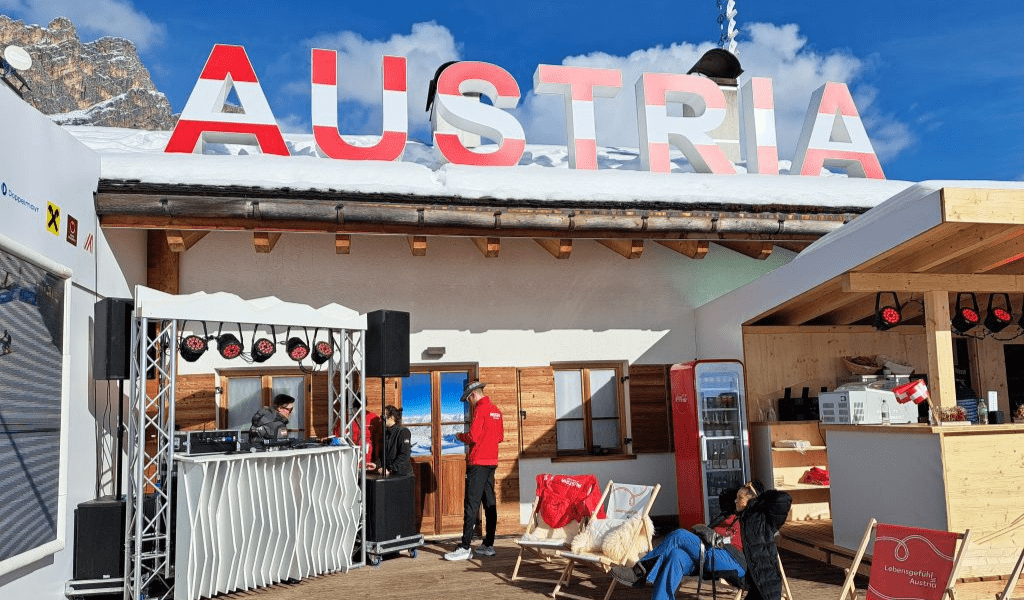
Welcome to the Austrian Olympic House at the Milano Cortina 2026 Winter Olympics. These venues are hubs for dialogue between business and industry, tourism and sports, politics and media. They are also platforms to showcase national pride, culture and promotion in-between the thrilling spectacle of competition out on the slopes.
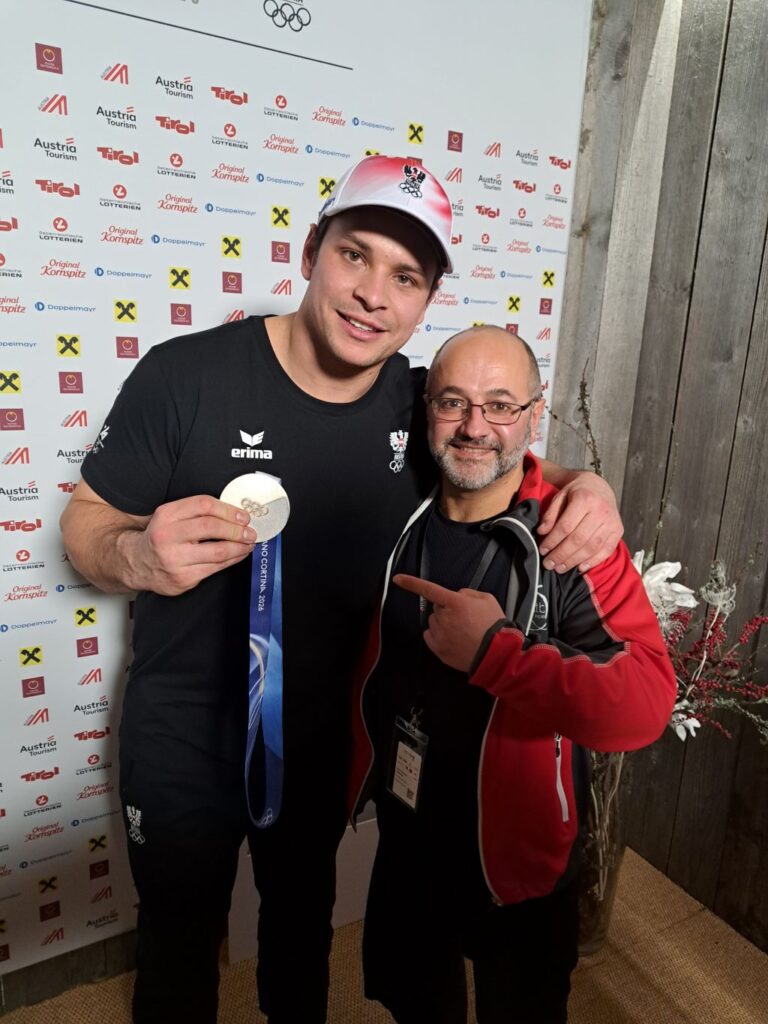
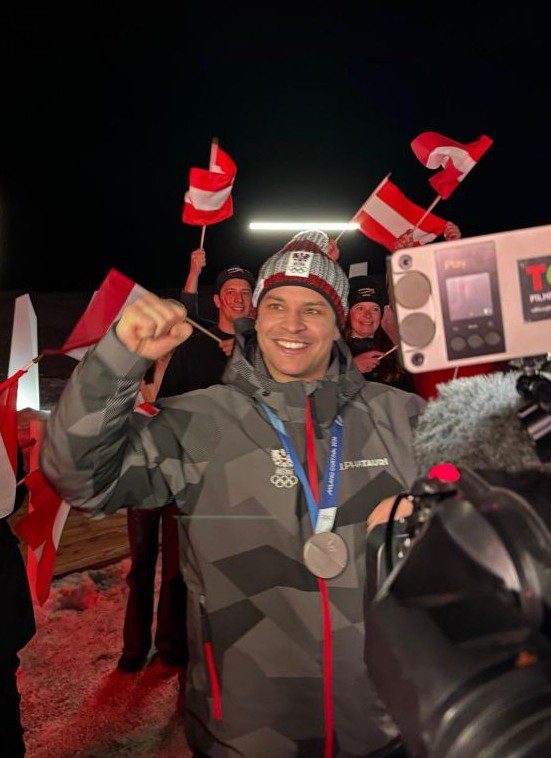
This could not have been better exemplified than by Austria House, a venue described by their Olympic committee as a “symbol of Austrian identity, hospitality and team spirit on international soil”. It was here on 8 February 2026, that I witnessed the power and pride of sport first-hand; in the late evening, Austrian ‘luger’ Jonas Müller was carried on the shoulders of his countryman, a silver medal hanging from his neck, through a connecting-tunnel of flag-waving guests from the entrance of Austria House up into the Gala Hall, a transformed traditional hay barn, nestled in the heart of the Italian Dolomites.
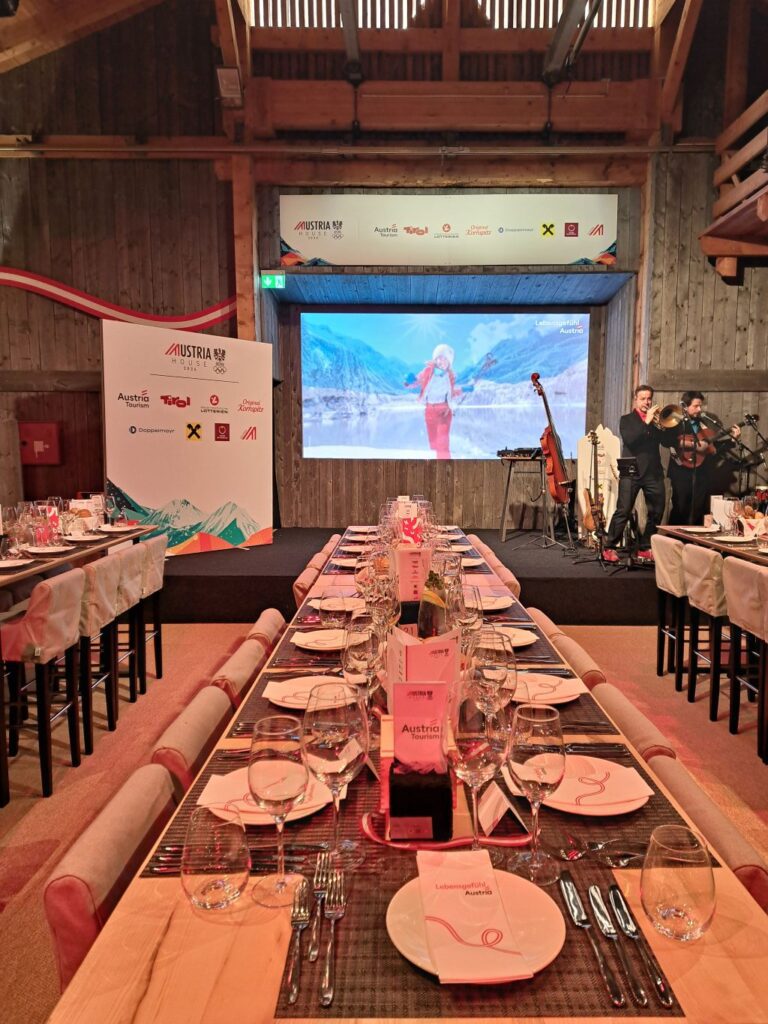
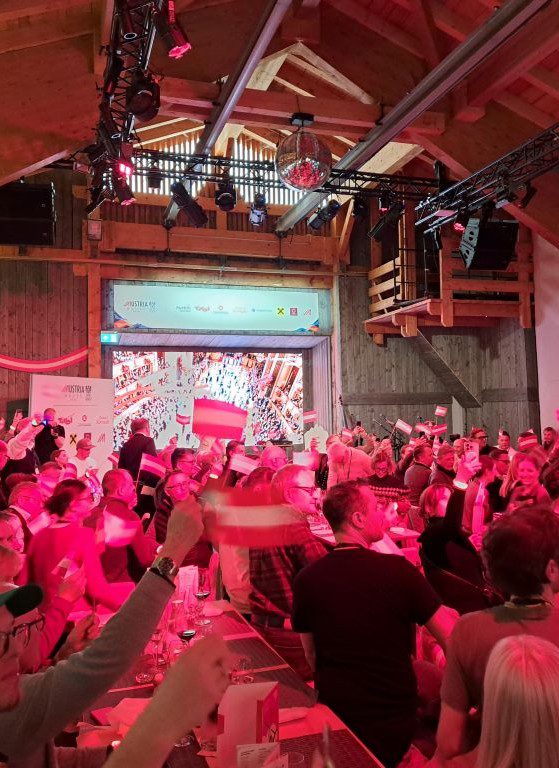
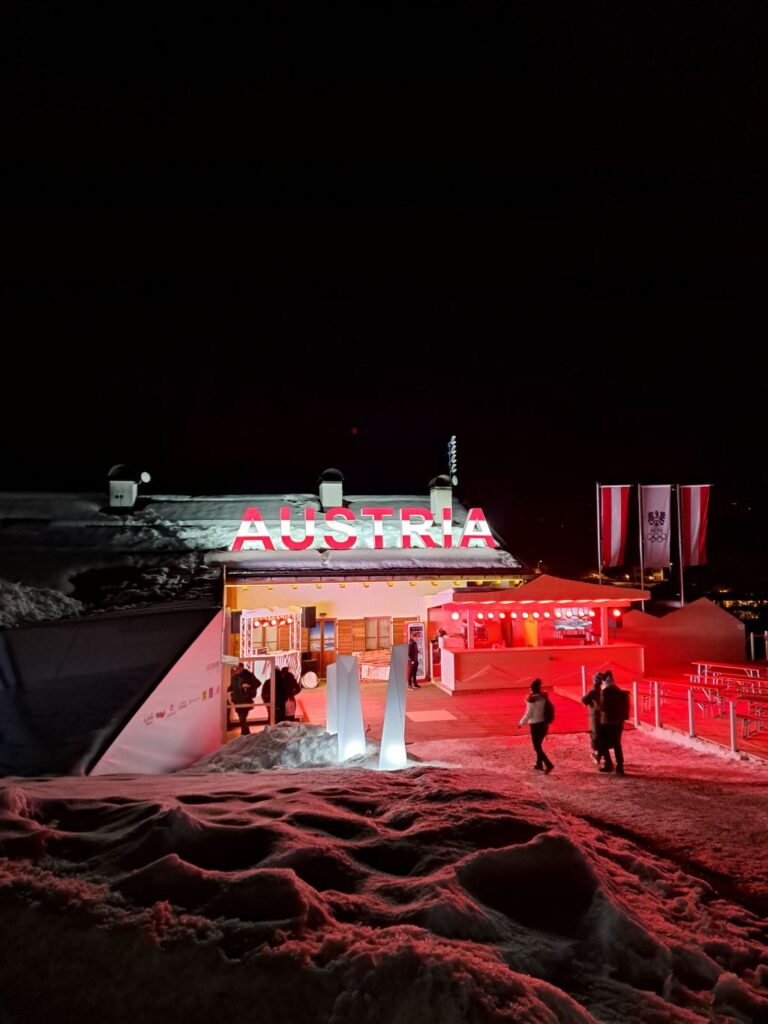
“Austria House is a place where the Olympics have an impact beyond sport,” said Horst Nussbaumer, president of the Austrian Olympic Committee. “It’s about encounters, dialogue and making Austria visible in all its diversity – through top sporting achievements and the associated Olympic values.”
From Lienz to Cortina d’Ampezzo
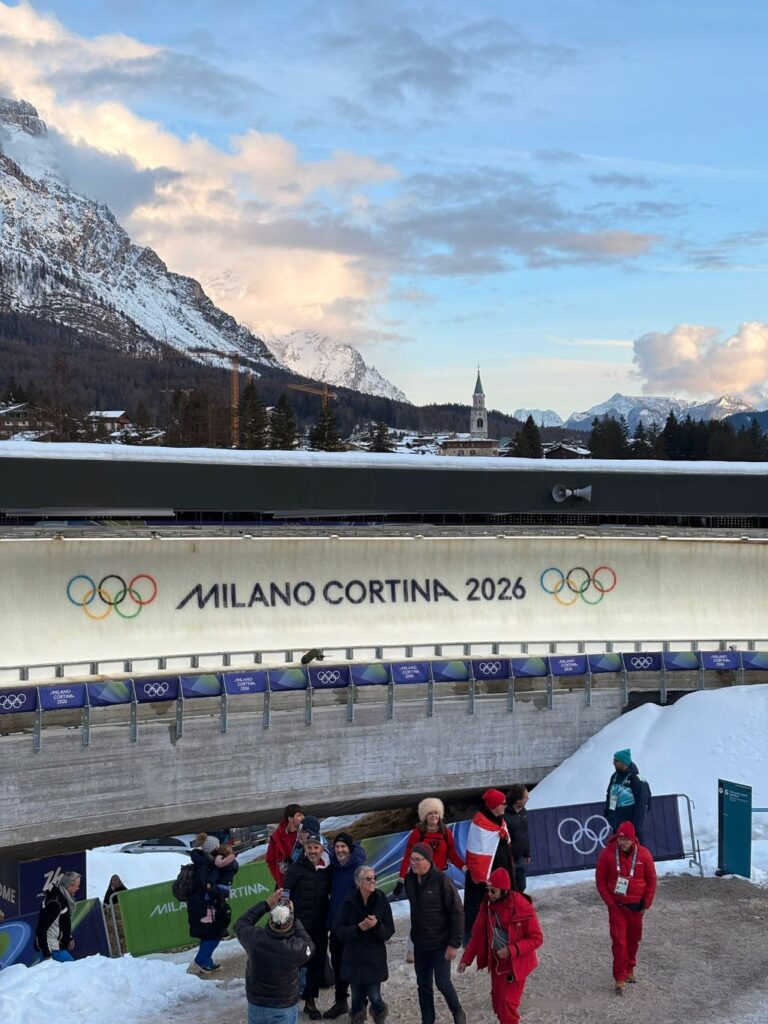
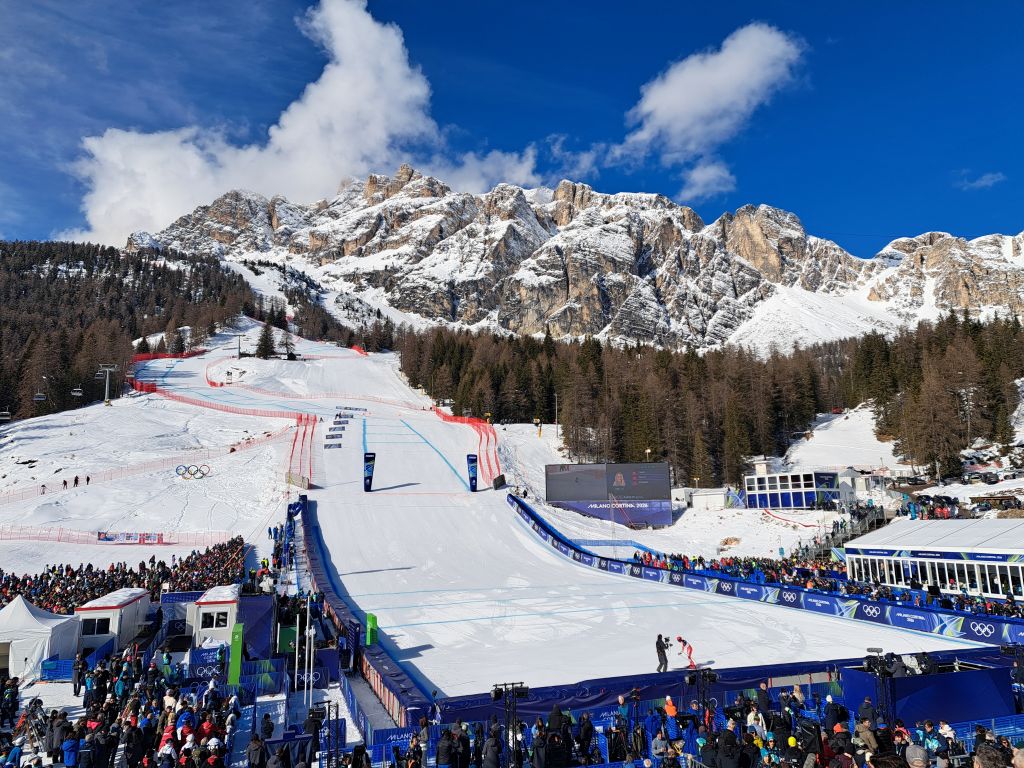
My day had started in the grandstands below the mighty Dolomites, watching the dramatic Alpine Skiing Women’s Downhill Race, eventually won by American Breezy Johnson. This was followed by a tour of Cortina d’Ampezzo’s elegant town centre, whose illuminated and historic facades contributed to an electric atmosphere, further fuelled by Müller’s medal-winning performance at the nearby Eugenio Monti Sliding Centre.
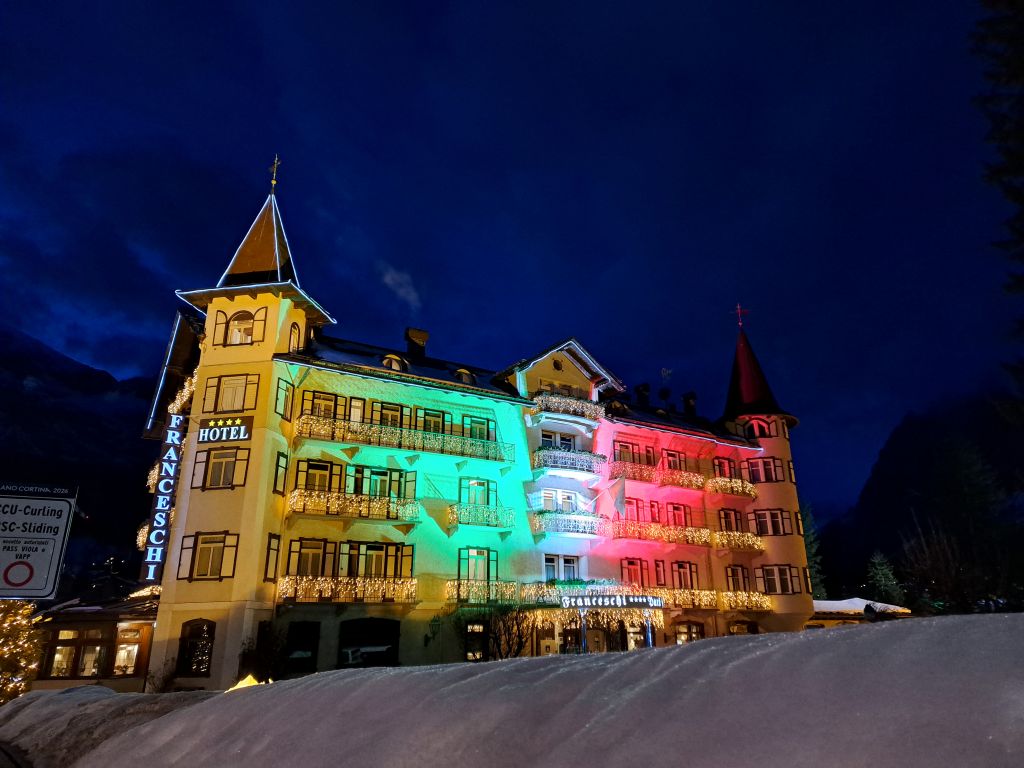
Returning to the historic Jägerhaus, the venue curated to combine authentic alpine hut charm and hospitality required for any Austria House, I had the chance to interview Astrid Steharnig-Staudinger, CEO of Austria Tourism. She described the venue as the “perfect platform to promote Austria at its best, especially on the international stage with some 60 stakeholders from 15 countries invited”; further commenting on the unprecedented involvement from political representatives at Austria House, with the Austrian Federal Chancellor, Minister of Economic Affairs, State Secretary for Tourism, The Austrian Ambassador to Italy, plus winter sports legends – Franz Klammer all present.
The CEO’s main message to me was that Austria is not just about summer and winter, but a dynamic year-round destination, driven by ‘hidden gems’ such as regional culinary delights, cultural immersion and authentic experiences to be found across the nation’s nine federal states and where one can experience their ‘Lebensgefuhl’; a term which describes a way to embrace Austrian life and to live in the moment through visiting the country.
Our media group, had set off from Harry’s home Hotel, Lienz in East Tirol to come for a very special day to Cortina d’Ampezzo, showcasing the region’s close proximity to Italy and Slovenia. After discussing our experiences of ice and forest bathing and skiing in Zettersfeld Resort above the town of Lienz, it gave Steharnig-Staudinger the perfect segway to use East Tirol as a great example of pristine nature, slow and authentic tourism, which is open the year-round and one of Austria’s true hidden gems. Steharnig-Staudinger’s passion for Austria was not only evident in her answers, but in her celebration, as she rose from her seat – mid-interview – to whoop with delight at the big-screen, as Benjamin Karl secured a gold medal in the men’s parallel giant slalom.
Building-up to a medal-winning celebration
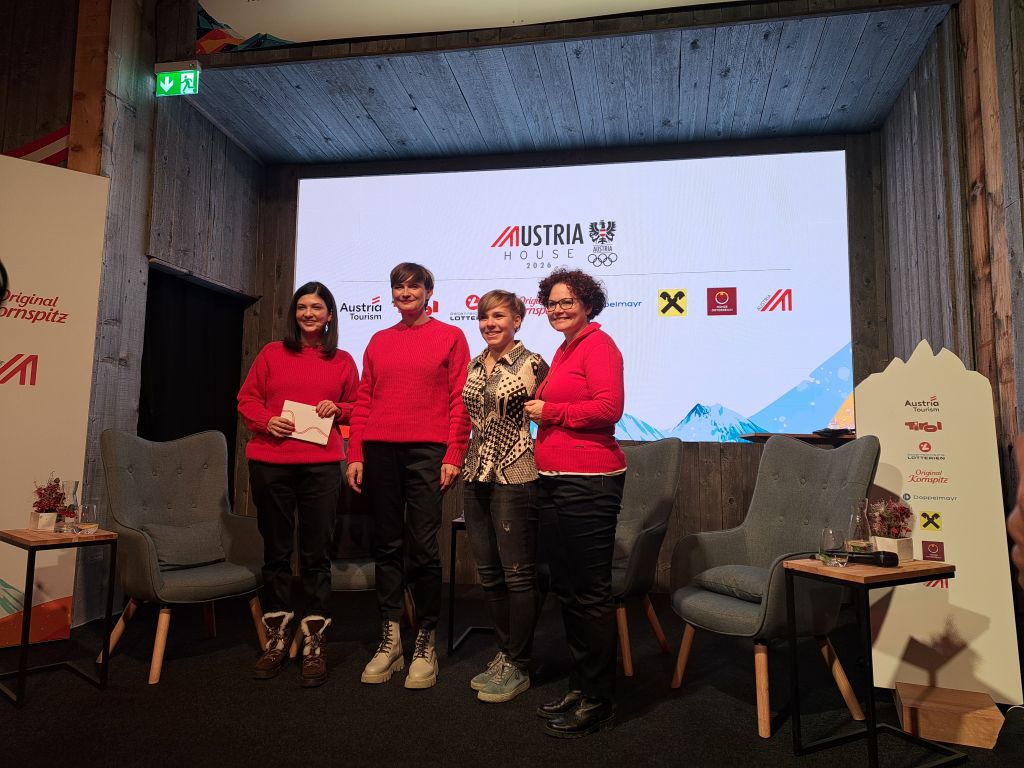
Insights from our discussions were further reinforced by a panel discussion, where Astrid spoke together with State Secretary Elisabeth Zehetner and ex-ski racer Nici Schmidhofer to a packed audience of media and travel trade representatives, emphasising that while Austria is renowned for its winter offerings, it boasts award-winning cuisine, rich culture, and a unique Lebensgefühl – the Austrian way of life best experienced first-hand.
The tables were now set for the evening finale, an official inauguration of Austria House, and continued success during the Winter Games. Central to the evening was the culinary mastery of Vitus Winkler, a Gault & Millau Chef of the Year and recipient of two Michelin stars. Winkler, from the Salzburg region, crafted a gastronomic experience that highlighted Austrian cuisine’s authenticity and the diversity of its landscapes. “Austrian cuisine flourishes through its genuine connection to nature,” Winkler stated, emphasising the significance of using regional products and seasonal ingredients – principles evident in his featured dish, ‘F(r)ischfeld’. This dish narrated a culinary journey, combining char, sauerkraut, oxymel, and watercress to showcase the very essence of Austrian landscapes.
As hand-held flags were passed between the tables, carrying word that a new Olympic medallist was to join us, the Gala Hall became a sea of red-white-red. I will never forget the spine-tingling moment Müller finally made it to the stage to the sound of the Radetzky March by Johann Strauss I – another ‘Lebensgefuhl’ moment in my Austria album of experiences!